Studying at the University of Newcastle as a Global Student
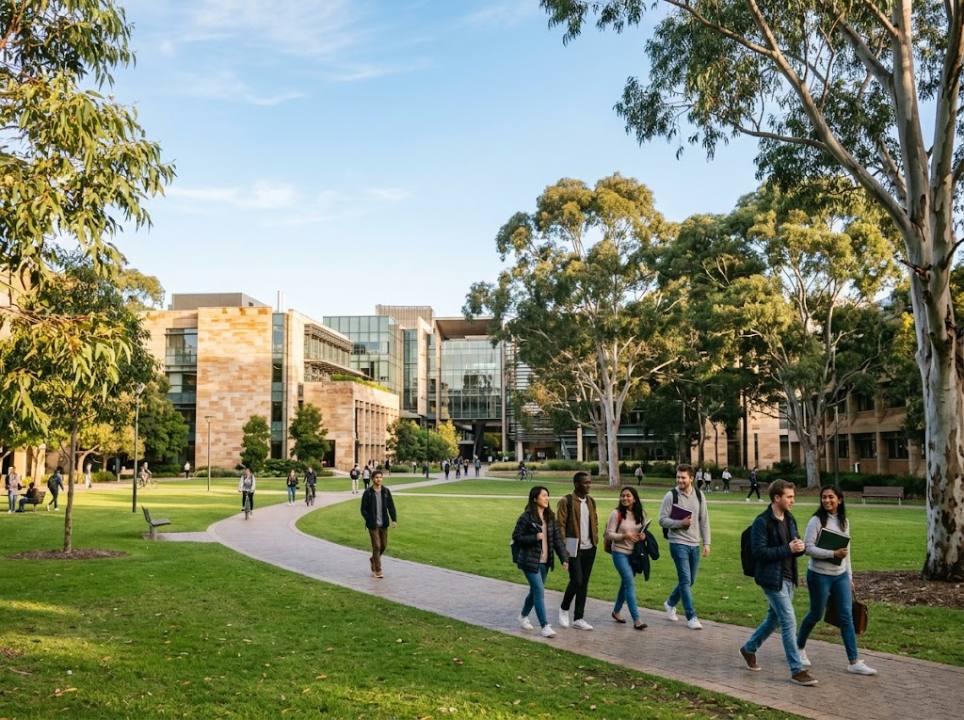
Every February and July, thousands of new faces arrive in Callaghan and in the Newcastle city centre with a suitcase, a student visa and a folder of documents that took months to prepare. For many of them, the University of Newcastle is their first real encounter with Australian academic life. The first few weeks decide a lot: how quickly you settle, how confident you feel in class and whether the practical side of moving abroad turns into a headache.
This guide walks through what international students really deal with before and after arrival, with a few lessons learned the hard way by people who have already made the move.
Why Newcastle keeps attracting students from abroad
The University of Newcastle sits in a coastal city about two hours north of Sydney. Students get beaches within cycling distance, a lower cost of living than the big capitals and a university that ranks well in engineering, health, education and environmental science. The main Callaghan campus is set in bushland, with kookaburras on the lawns and walking tracks between faculties, while the NUspace building in the city puts business and law students right next to the harbour.
For families comparing options, the mix of a smaller city and a globally recognised degree is often the deciding factor. Official course details, entry requirements and scholarship dates are all listed on the University of Newcastle website, and it is worth reading them directly rather than relying on forum posts that may be years old.
The paperwork nobody warns you about
Applying from overseas means sending academic transcripts, school leaving certificates, proof of English ability and sometimes birth or marriage certificates for visa purposes. If those documents are not in English, the university and the Department of Home Affairs expect an accurate English version alongside the original.
This is where many applications slow down. A transcript translated by a relative or run through a free online tool may be rejected, and a rejected document can push an offer back by a full intake. Students coming from France, Belgium, Switzerland or francophone Africa often turn to professional french translation services so that grade scales, course titles and official stamps are rendered consistently. The same logic applies to applicants from Eastern Europe and Central Asia, who frequently need russian translation services for diplomas issued in Russian.
A useful habit is to prepare a single folder with originals, certified copies and English versions of every document, labelled the same way. Admissions staff notice when an application is easy to read, and so do visa officers.
Arriving and getting through O-Week
Orientation Week is busy, noisy and one of the best times to make friends. The university runs campus tours, library sessions and information stands for clubs ranging from surfing to debating. International students also get briefings on health cover, working rights and how the academic integrity rules work.
Practical tips from past students:
- Open an Australian bank account in the first week. You will need it for part-time work and rent.
- Get your student ID card early. It unlocks buildings, printing and discounts around the city.
- Download the university app and the local bus timetable before you need them.
- Walk the route to your first lecture the day before, especially at Callaghan where buildings are spread out.
Settling into Australian study habits
Many students are surprised by how much independent work is expected. Lectures are often recorded, tutorials are small and participation counts toward the final mark. Referencing rules are strict, and group assignments are common in business and engineering courses.
The students who adapt fastest are the ones who ask questions early. Tutors hold consultation hours, the library offers free writing support and peer mentors help with everything from timetables to exam nerves. International students who wait until week eight to ask for help usually find themselves playing catch-up.
Behind the scenes of a multilingual university
A campus with students from more than 100 countries produces a surprising amount of multilingual content. Welcome guides, safety notices, marketing brochures and online course information are often adapted for key student markets. Universities and the companies that support them increasingly manage this work with a translation management system, which keeps approved terminology, version history and review steps in one place instead of scattered email threads.
For students, the result is simple: clearer information in a language they understand when they need it most, whether that is enrolment instructions or emergency procedures.
The online shop and campus merchandise
One small thing that helps new arrivals feel at home is the university shop. Hoodies, caps, notebooks, drink bottles and graduation gifts carry the university branding, and the online store makes it easy to order before you even land. Parents often buy a hoodie or scarf for themselves too, a small way of sharing the experience from the other side of the world.
The shop also stocks study essentials such as lab coats, stationery and calculators approved for exams. Ordering these online ahead of time saves a queue during the first week, when everyone else has the same idea.
Budgeting in Newcastle
Rent is the biggest cost, followed by food and transport. Shared houses in suburbs like Jesmond, Waratah and Mayfield are popular with students because they are close to Callaghan. On-campus accommodation offers a softer landing for the first semester, with meals and social events included in some options.
Student visa holders can work a limited number of hours during term, and many find jobs in hospitality, retail or on campus. Keeping a simple weekly budget in a spreadsheet makes the difference between a relaxed semester and a stressful one.
Staying connected with home
Homesickness usually hits around week five, once the excitement fades and assignments arrive. Cultural clubs, faith communities and international student events help, and so does keeping a routine of calls with family. Many students say the turning point came when they started showing friends from home around Newcastle through video calls, from Nobbys Beach to the ocean baths.
A few final words for future students
Moving to Newcastle to study is a big step, but it is a well-travelled path. Prepare your documents carefully, get official versions of anything not written in English, arrive a week early if you can and say yes to the invitations during O-Week. Good preparation turns the first semester from a survival exercise into an adventure.